How to Find the Right Horse Stable for Your Horse
Choosing the right boarding facility is just as important as choosing the right horse. Here's what to look for — and what to avoid.
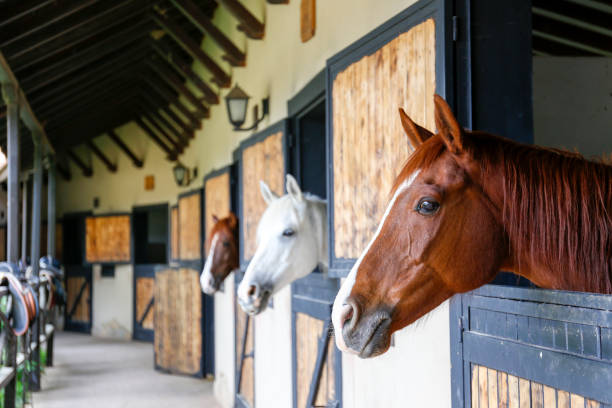
Why Choosing the Right Stable Matters
Your horse will spend most of its life at its boarding facility. The quality of care, the environment, and the community all directly affect your horse's health, happiness, and your own enjoyment of ownership.
Types of Boarding
Full Board The facility handles all daily care — feeding, stall cleaning, turnout, and blanketing. Best for busy owners who can't be at the barn daily.
Partial Board You handle some tasks (e.g., feeding or turnout) in exchange for lower monthly fees.
Self Care / Pasture Board You provide all care yourself. Lowest cost, but requires daily presence. Good for experienced owners with flexible schedules.
Training Board Includes professional training sessions in addition to full care. Ideal if you want your horse worked regularly by a trainer.
What to Look for in a Stable
Cleanliness and Safety
- Stalls should be cleaned at least once daily
- No sharp protrusions, broken fencing, or hazardous footing
- Adequate ventilation without drafts
- Secure paddocks and gates
Feed and Water
- Quality hay fed multiple times per day
- Fresh, clean water available at all times (automatic waterers or filled buckets)
- Ability to accommodate special dietary needs
Turnout
Horses need daily turnout for physical and mental health. Ask:
- How many hours of turnout per day?
- Are horses turned out alone or in groups?
- What is the pasture quality and size?
Facilities
- Riding arena (covered is a bonus for rain/heat)
- Safe trails nearby (if trail riding is your goal)
- Wash rack and grooming area
- Tack storage (lockable is ideal)
- Trailer parking
Staff and Management
- Is there someone on-site 24/7 or nearby in emergencies?
- How responsive is management to concerns?
- What is the emergency protocol if a horse is injured or colicking?
Community and Culture
The "barn culture" matters. Visit at different times to observe how staff interact with horses, how other boarders behave, and whether the atmosphere feels supportive or competitive.
Questions to Ask Before Signing a Contract
- What is included in the monthly board fee — what costs extra?
- What is the policy on veterinarian and farrier access?
- Can I choose my own vet and farrier?
- What happens if my horse needs emergency care when I'm unavailable?
- What is the notice period to leave?
- Are there any restrictions on who can ride my horse?
Red Flags to Avoid
- Thin or unhealthy-looking horses on property
- Staff who seem annoyed by questions
- Unclear or verbal-only pricing
- No written contract
- Overcrowded paddocks
- Facility that deflects when you ask to see storage areas, feed room, or vet records
How to Find Stables Near You
- Ask your trainer, vet, or farrier for recommendations
- Search Google Maps for "horse boarding near [your city]"
- Check local Facebook equestrian groups
- Visit equestrian expos and local shows — facilities often advertise there
Key Takeaways: Choosing the Right Stable
The right boarding facility protects your horse's health and makes ownership genuinely enjoyable. Here's what to prioritize:
- Cleanliness — Stalls mucked daily, fresh water always available, no hazardous conditions
- Turnout — Daily turnout is non-negotiable for your horse's physical and mental wellbeing
- Qualified staff — Someone on-site or reachable 24/7 for emergencies
- Vet and farrier access — Confirm you can use your own providers, not just facility-preferred ones
- Barn culture — Visit at different times; a supportive, safe community matters more than fancy amenities
- Written contract — Never board on a handshake; all terms, costs, and policies should be documented
- Visit before committing — One tour isn't enough; return unannounced to see the day-to-day reality
Your horse's home is the foundation of its health and happiness. Take your time finding the right fit — it's worth being selective.
Once you've found your stable, use EquiLog to log feeding schedules, track health records, and store contact info for your barn manager, vet, and farrier in one place.
We use essential cookies to make our site work and analytical cookies to understand how you use our site. By clicking "Accept All", you consent to the use of these cookies. You can manage your preferences at any time. Read our Privacy Policy.