Where to Find and Hire a Horse Trainer
The right trainer can transform your riding journey. Here's how to find, evaluate, and hire a horse trainer you can trust.
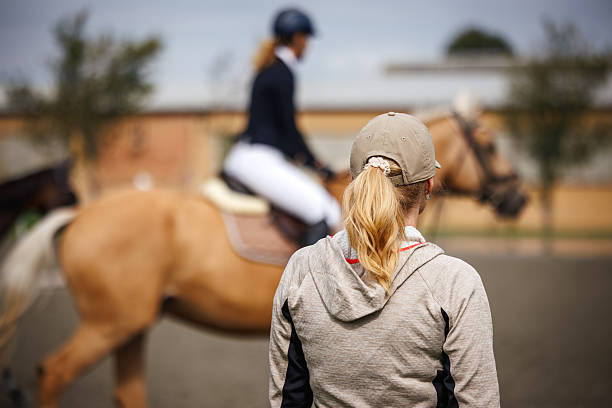
Why a Good Trainer Makes All the Difference
Whether you're a first-time horse owner or a returning rider, having the right trainer is one of the most impactful decisions you'll make. A skilled trainer doesn't just improve your riding — they help keep you and your horse safe, build your confidence, and guide your long-term progress.
Types of Horse Trainers
Riding Instructors Focus on teaching the rider. Great for beginners or those looking to develop discipline-specific skills like dressage, jumping, or western riding.
Horse Trainers Work directly with the horse — starting young horses, retraining problem horses, or advancing an already-trained horse to a higher level.
Trainer/Instructor Combos Many trainers do both: they'll ride and train your horse several days a week and also give you lessons on your own horse. This is the most common arrangement at full-service boarding facilities.
Where to Find a Trainer
1. Your Boarding Facility
Most barns have at least one trainer on-site or a preferred trainer who visits regularly. This is often the easiest starting point — the trainer already knows the facility, the footing, and the other horses.
2. Local Equestrian Centers and Riding Clubs
Facilities like the Los Angeles Equestrian Center, Flintridge Riding Club, or local show barns almost always have staff trainers available for lessons and training board.
3. USEF/USDF/AQHA Trainer Directories
Major equestrian organizations maintain directories of certified professionals:
- USEF — Covers all disciplines
- USDF — Dressage-focused
- AQHA — Western and all-around disciplines
- USEA — Eventing
4. Word of Mouth
Ask other horse owners, your vet, or your farrier. The equestrian community is tight-knit — people are usually happy to recommend (or warn against) specific trainers.
5. Shows and Clinics
Watch trainers in action at local schooling shows or clinics. How do they interact with horses and riders under pressure? That tells you a lot.
6. Social Media
Instagram and YouTube are great for seeing a trainer's philosophy and style in action. Many top trainers post regularly.
What to Look for in a Trainer
- Quiet, patient hands — A good trainer is rarely rough or forceful with horses
- Clear communication — Can they explain concepts in a way you understand?
- Relevant experience — Have they trained horses at or above the level you're aiming for?
- References — Don't be afraid to ask for names of current or former students
- Respect for your goals — Your trainer should support YOUR goals, not just their own agenda
- Emergency composure — How do they handle a spook, a fall, or an upset horse?
Questions to Ask Before Hiring
- What disciplines do you specialize in?
- What is your training philosophy — how do you handle resistant or nervous horses?
- How often would you ride/work with my horse per week?
- What are your rates for lessons vs. training board?
- Do you have liability insurance?
- Can I observe a session with one of your current students before committing?
Red Flags to Avoid
- Trainers who use excessive force, spurs, or harsh bits as a first resort
- Reluctance to have you watch training sessions
- Vague pricing or refusal to put agreements in writing
- Dismissive attitudes toward your concerns or questions
- High student turnover with no explanation
Typical Costs
| Service | Average Cost |
|---|---|
| 30-min private lesson | $60–$120 |
| 60-min private lesson | $80–$180 |
| Group lesson (per rider) | $40–$80 |
| Training rides (per ride) | $50–$100 |
| Full training board (monthly) | $1,200–$3,000 |
| Clinic with visiting trainer | $100–$400/day |
Key Takeaways: Finding the Right Trainer
The right trainer is one of the best investments you can make in your riding journey. Here's how to get it right:
- Start local — Your boarding facility or nearby equestrian center is the easiest first step
- Use directories — USEF, USDF, AQHA, and USEA all maintain searchable trainer databases
- Watch before you hire — Observe a lesson or training session before committing
- Ask the right questions — Training philosophy, rates, session frequency, and liability insurance
- Trust your gut — A good trainer respects your goals and communicates clearly
- Red flags matter — Excessive force, secretive sessions, and vague pricing are deal-breakers
- Get agreements in writing — Lesson packages, training board terms, and cancellation policies should all be documented
A great trainer accelerates your progress, keeps you safe, and builds a genuine partnership between you and your horse. Take the time to find the right one — it's worth it.
Track training sessions, goals, and progress notes for every ride in EquiLog's Training Log — so you and your trainer always stay on the same page.
We use essential cookies to make our site work and analytical cookies to understand how you use our site. By clicking "Accept All", you consent to the use of these cookies. You can manage your preferences at any time. Read our Privacy Policy.