How Much Does It Cost to Own a Horse? A Complete Breakdown
Horse ownership is deeply rewarding — but it comes with real financial responsibilities. Here's an honest, detailed breakdown of the true cost.
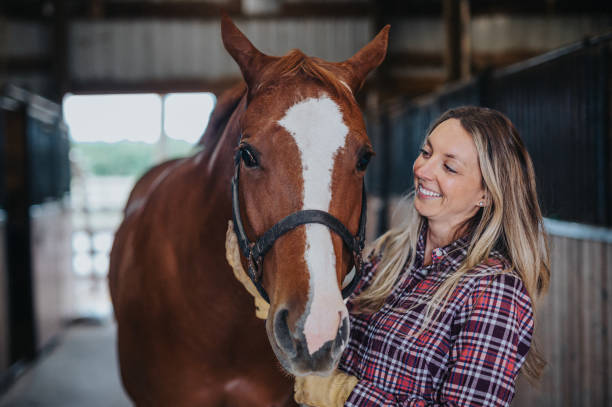
The True Cost of Horse Ownership
Horse ownership is one of the most rewarding — and expensive — commitments you can make. Before purchasing a horse, understanding the full financial picture helps you budget realistically and avoid financial stress down the road.
While it's tempting to focus only on the purchase price, the reality is that the annual costs of ownership are far more significant than the initial investment. A horse that costs $5,000 to buy might cost $20,000 per year to maintain properly.
Annual Costs Summary
| Expense Category | Low | High |
|---|---|---|
| Boarding | $4,800 | $24,000 |
| Farrier | $1,200 | $1,500 |
| Veterinary | $1,500 | $5,000+ |
| Feed & Hay | $1,800 | $6,600 |
| Supplements | $360 | $3,600 |
| Equipment & Tack | $500 | $3,000 |
| Insurance | $600 | $1,800 |
| Training | $0 | $10,000+ |
| Total Annual | ~$11,000 | ~$55,500+ |
Most horse owners spend $15,000–$30,000 annually.
Breaking Down the Major Expenses
Boarding (The Largest Annual Cost)
Unless you own your own property, boarding is typically your biggest expense. Monthly boarding ranges from $400 to $3,000 depending on location and facility type:
- Pasture board (self-care): $300–$800/month — You handle all care
- Partial board: $600–$1,500/month — Facility handles some tasks
- Full board: $800–$3,000/month — All care included
- Training board: $1,500–$3,500/month — Includes professional training
Annual boarding total: $4,800–$42,000
Farrier (Regular Hoof Care)
Your horse needs hoof trims and shoes every 6–8 weeks. A typical farrier visit costs $120–$180 for a trim, or $150–$250 if shoes are needed.
Annual farrier total: $900–$1,500 (assuming 6-8 visits per year)
Veterinary Care
Routine vet care includes:
- Annual wellness exam: $200–$400
- Vaccinations: $100–$300 annually
- Dental float (once yearly): $300–$600
- Coggins test: $50–$100
- Unexpected issues (lameness, colic, injuries): $500–$5,000+
Annual vet total: $1,500–$5,000+ (depending on horse's age and health)
Feed and Hay
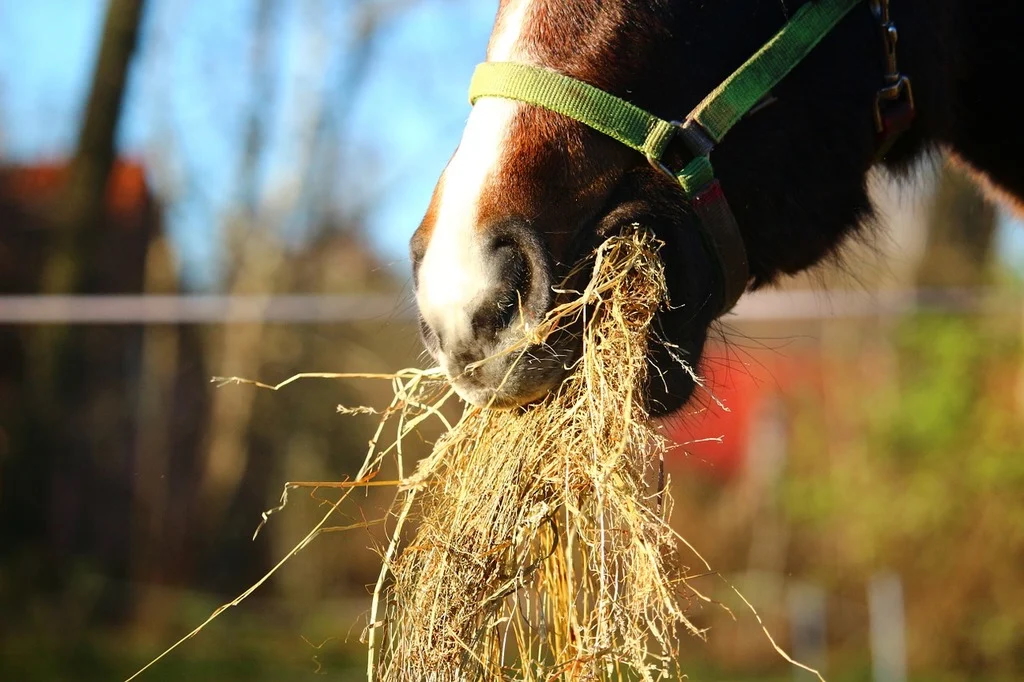
A 1,100-pound horse needs 16–22 pounds of hay daily. Hay costs vary dramatically by region:
- Hay: $5–$15/day ($1,825–$5,475/year)
- Grain/concentrate (if needed): $0–$150/month ($0–$1,800/year)
- Supplements: $30–$300/month ($360–$3,600/year)
Annual feed total: $1,800–$6,600
Equipment and Tack
Your initial saddle investment is significant, but ongoing costs include:
- Saddle: $1,000–$5,000 (one-time, lasts 15+ years if well-maintained)
- Bridle, reins, bits: $200–$800
- Saddle pad: $50–$200
- Blankets: $100–$500
- Riding clothes and boots: $300–$1,000
- Maintenance and replacement: $200–$500/year
Annual equipment total: $500–$3,000 (after initial purchases)
Insurance
Insurance protects against catastrophic loss:
- Major medical: $600–$1,200/year
- Mortality: $600–$1,500/year (depending on horse value)
- Liability: $200–$400/year
Annual insurance total: $600–$1,800 (optional but recommended)
Training and Lessons
If you're developing your skills or your horse's training:
- Private lessons: $60–$180/hour, 1–4 per week
- Training board: $1,500–$3,500/month
- Clinics: $100–$400/day
Annual training total: $0–$10,000+ (highly variable; completely optional)
Monthly Cost Breakdown
For a typical horse owner with full board and basic care (no intensive training):
| Item | Monthly |
|---|---|
| Boarding | $800–$1,500 |
| Farrier (avg. per month) | $100–$125 |
| Veterinary (avg. per month) | $125–$400 |
| Feed/hay (if not in board) | $150–$400 |
| Supplements | $30–$200 |
| Misc. supplies/tack | $50–$150 |
| Total | $1,255–$2,775/month |
That's $15,000–$33,000 per year for typical ownership.
Real Example: First-Year Costs
Let's say you purchase a 10-year-old horse for $5,000 and board it at a mid-range facility in California:
| Expense | Cost |
|---|---|
| Purchase price | $5,000 |
| Pre-purchase vet exam | $800 |
| Boarding (first year at $1,200/mo) | $14,400 |
| Initial tack (saddle, bridle, pads) | $2,000 |
| Farrier (6 visits × $150) | $900 |
| Routine vet care | $1,500 |
| Feed/supplements (not in board) | $2,400 |
| Emergency fund allocation | $2,000 |
| First Year Total | $28,600 |
Subsequent years drop to roughly $18,000–$20,000 (without the initial purchase and setup costs).
Ways to Reduce Costs
1. Choose Self-Care or Partial Board
If you have time, self-care or partial board can cut boarding costs by 50% or more. The trade-off is that you'll spend 1–3 hours per day at the barn.
2. Buy Feed in Bulk
Purchasing a half-ton or full-ton of hay at once is dramatically cheaper per bale than buying by the flake. Learn to weigh your hay and store it properly.
3. Get Hay Tested
Knowing the exact nutrient content of your hay prevents over-supplementing and unnecessary expense. A simple forage test costs $20–$50 but can save hundreds annually.
4. Minimize Supplements
Not every supplement is necessary. Work with your vet to identify which ones your horse actually needs. Many owners spend $300/month on supplements when $80/month would suffice.
5. Build an Emergency Fund
Set aside $2,000–$5,000 annually for unexpected vet costs. A colic surgery can run $5,000–$15,000. Having a fund prevents panic decisions.
6. Choose a Quality Trainer Over Multiple Clinics
One consistent trainer who knows your horse is more cost-effective than sporadic clinics with visiting professionals.
7. Lease Instead of Buy
If you're unsure, a full lease costs $400–$1,500/month in addition to boarding and care — far less than ownership if you don't own the horse outright.
Is Ownership Worth the Cost?
Horse ownership is expensive. There's no way around it. But for many owners, the intangible rewards — the bond with your horse, the mental health benefits of riding, the time spent in nature — far outweigh the financial burden.
The key is going in with eyes open. Budget conservatively. Build an emergency fund. Don't cut corners on basics like vet care and farrier work. And remember: your horse's health and safety should never be compromised to save money.
Use EquiLog to track every expense category and build accurate budgets for your horses. Know exactly what you're spending and where you can optimize.
We use essential cookies to make our site work and analytical cookies to understand how you use our site. By clicking "Accept All", you consent to the use of these cookies. You can manage your preferences at any time. Read our Privacy Policy.