How Much Does It Cost to Feed a Horse Every Month?
Feed is one of the biggest recurring costs of horse ownership. Here's an honest, detailed breakdown of monthly feeding costs for the average horse.
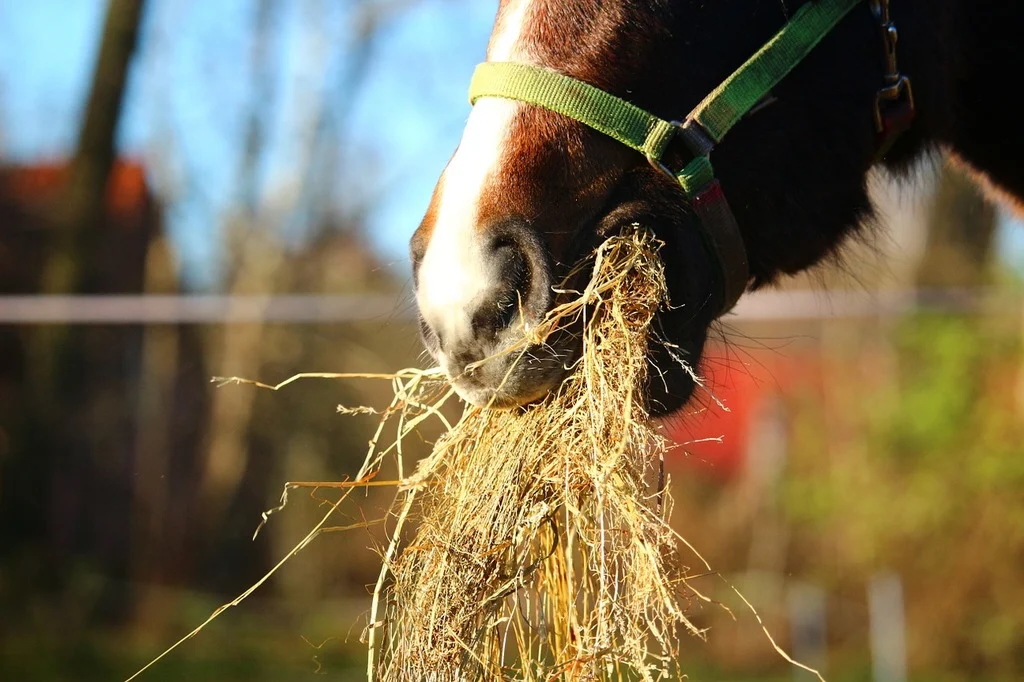
The Foundation: Forage First
Horses are hindgut fermenters designed to eat small amounts of forage continuously throughout the day. The foundation of any healthy feeding program is high-quality hay or pasture — ideally available 24/7, or divided into at least 3 feedings per day. Everything else — grain, supplements — comes second.
Hay: Your Biggest Feed Cost
A typical horse needs to eat 1.5-2% of its body weight in forage daily. For a 1,100-pound horse, that's 16-22 pounds of hay per day.
Hay Types and Costs
| Hay Type | Cost per Bale (average) | Lbs per Bale | Cost per Day |
|---|---|---|---|
| Grass hay (orchard, timothy) | $15-$35 | 50-60 lbs | $5-$12 |
| Alfalfa (pure) | $20-$45 | 50-60 lbs | $7-$18 |
| Alfalfa/grass mix | $18-$40 | 50-60 lbs | $6-$15 |
Note: Hay prices vary significantly by region, season, and drought conditions. Southern California and the Southwest typically pay more than Midwest or Southeast buyers.
Monthly Hay Cost Estimates
- Budget range: $150-$250/month (grass hay in moderate-cost region)
- Mid-range: $250-$400/month (mixed hay, competitive boarding region)
- High-cost region (e.g., LA, Bay Area): $350-$550/month (premium alfalfa)
Grain and Concentrates
Many horses in light to moderate work don't need grain at all if they receive quality hay. However, hard keepers, performance horses, senior horses, and horses in heavy work often benefit from a concentrate feed.
| Feed Type | Avg. Cost per 50-lb Bag | Monthly Cost (typical use) |
|---|---|---|
| Senior feed | $20-$35 | $40-$90 |
| Performance/competition feed | $25-$45 | $50-$110 |
| Beet pulp | $20-$30 | $20-$50 |
| Ration balancer (low-calorie) | $30-$50 | $30-$60 |
Monthly grain estimate: $40-$120/month for horses that need supplemental feed.
Supplements
This is where costs can escalate quickly. Common supplements include:
| Supplement | Purpose | Monthly Cost |
|---|---|---|
| Joint supplement (MSM, HA) | Mobility and comfort | $30-$80 |
| Hoof supplement (biotin) | Hoof quality | $20-$50 |
| Probiotic / digestive support | Gut health | $25-$60 |
| Omega-3 (flaxseed, fish oil) | Coat and inflammation | $20-$40 |
| Electrolytes | Hydration (summer/performance) | $15-$35 |
| Vitamin E / selenium | Muscle health | $20-$50 |
Monthly supplement estimate:
- Minimal (1-2 basics): $30-$60/month
- Moderate (3-4 supplements): $80-$150/month
- Heavy supplement program: $150-$300+/month
Salt and Mineral Block
Every horse should have free access to a plain white salt block or loose salt at all times. A mineral block or loose trace minerals provides key micronutrients.
- Salt block: $5-$10 every 2-4 months
- Trace mineral block: $10-$20 every 1-3 months
- Monthly estimate: ~$5-$15/month
Water
Most boarding facilities include water in the board fee. If you're managing your own property:
- A horse drinks 5-15 gallons per day
- At $0.01/gallon (average US municipal water), that's roughly $2-$5/month in water costs
Total Monthly Feed Cost Summary
| Category | Low | High |
|---|---|---|
| Hay | $200 | $600 |
| Grain/concentrate | $0 (included or not needed) | $150 |
| Supplements | $40 | $350 |
| Salt/minerals | $5 | $20 |
| Total | ~$245 | ~$1,120 |
The most common range for a single horse: $300-$600/month for feed, assuming hay is not included in board.
If hay is included in your board fee (as it is at most full-board facilities), your out-of-pocket feed costs drop to just grain and supplements: typically $75-$250/month.
Ways to Reduce Feed Costs
- Buy hay in bulk — Purchasing a half-ton or full-ton load at once is significantly cheaper per bale than buying by the flake
- Get hay tested — Knowing exact nutrient content prevents over-supplementing
- Feed by weight, not by flake — Flakes vary enormously in weight; a scale saves money and ensures proper nutrition
- Choose a quality ration balancer over a full grain if your horse is an easy keeper
- Rotate pasture where available to maximize grass quality and reduce hay needs
Key Takeaways: Feeding Your Horse on a Budget
Feed costs are one of the most controllable recurring expenses in horse ownership. Here's what matters:
- Forage is the foundation — Quality hay comes before grain or supplements every time
- Buy in bulk when possible — Per-bale pricing drops significantly on large loads
- Feed by weight, not by flake — Flake sizes vary wildly; weighing ensures accurate portions
- Get hay tested — A $30 forage test prevents hundreds in unnecessary supplementing
- Review supplements regularly with your vet — Many horses are over-supplemented with little benefit
- Track feed costs monthly — Even small daily costs add up to significant annual spending
- Know what's in your board fee — Many full-board facilities include hay, reducing your out-of-pocket costs substantially
The goal is to feed your horse well, not expensively. With the right information and a consistent system, you can provide excellent nutrition at a predictable cost.
Use EquiLog to log your horse's daily feeding schedule, track supplement changes, and monitor feed costs over time — so you always know what your horse is eating and what it's costing you.


We use essential cookies to make our site work and analytical cookies to understand how you use our site. By clicking "Accept All", you consent to the use of these cookies. You can manage your preferences at any time. Read our Privacy Policy.