Guide to Horse Breeds: Characteristics and Best Uses
There are hundreds of horse breeds, each with unique characteristics, temperaments, and strengths. Here's a guide to the most popular breeds and what they're best suited for.
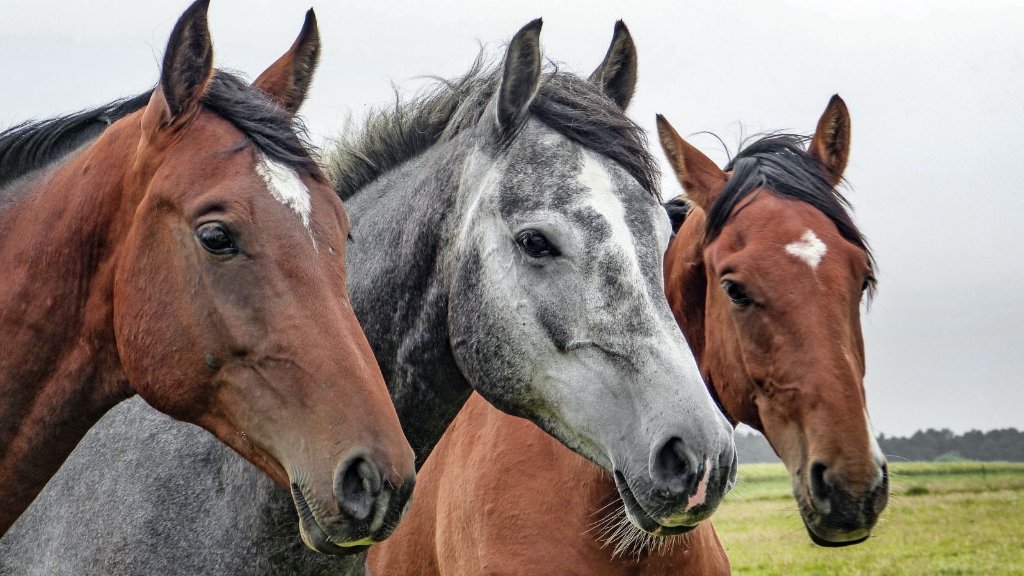
Understanding Horse Breeds
Horse breeds were developed over centuries for specific purposes — draft work, endurance, speed, agility, or temperament. Understanding breed characteristics helps you choose the right horse for your goals and experience level.
Warmblood Breeds (Sport Horses)
Thoroughbred
Origin: England Height: 15-17 hh Temperament: Spirited, athletic, sensitive Best for: Racing, jumping, eventing, dressage Notes: High metabolism, require experienced riders, excel in competition. Can be anxious; respond best to calm, consistent training.
Warmblood Sport Horses (Dutch Warmblood, German Warmblood, Hanoverian)
Origin: Europe Height: 15.3-17 hh Temperament: Calm, intelligent, responsive Best for: Dressage, jumping, eventing, upper-level competition Notes: Bred specifically for sport. Excellent trainability. Generally steady temperament makes them suitable for ambitious riders. Premium price tag ($20,000-$200,000+).
Trakehner
Origin: Germany Height: 15.3-16.2 hh Temperament: Courageous, reliable, versatile Best for: Eventing, dressage, jumping, versatile riding Notes: Known for stamina and intelligence. Excellent all-arounders. Popular in upper-level competition.
English Breeds
Morgan
Origin: United States Height: 14.1-15.1 hh Temperament: Intelligent, willing, spirited Best for: Trail riding, Western disciplines, driving, all-around riding Notes: Smaller than many breeds but strong and versatile. Great first horse. Good temperament and hardy constitution.
Thoroughbred (see above — but also used for eventing and cross-country)
Quarter Horse
Origin: United States Height: 14.2-16 hh Temperament: Calm, steady, trainable Best for: Western riding, barrel racing, ranch work, beginner-friendly riding Notes: Most popular breed in the US. Calm temperament and natural "cow sense." Excellent for beginners and families. Lower maintenance than many sport horses.
Gaited Breeds (Smooth Riding)
Tennessee Walker
Origin: Tennessee, USA Height: 14.2-17 hh Temperament: Calm, gentle, people-oriented Best for: Trail riding, pleasure riding, older riders, beginners Notes: Famous "running walk" provides smooth ride with minimal impact. Gentle giants. Ideal for riders with joint issues or those seeking comfortable trail horses.
Paso Fino
Origin: Puerto Rico Height: 13.2-15.2 hh Temperament: Intelligent, spirited, people-friendly Best for: Trail riding, pleasure riding, unique gaits Notes: Smooth gaits without the high action of other breeds. Small but elegant. Growing popularity in US equestrian community.
Icelandic Horse
Origin: Iceland Height: 12.3-13.2 hh (small but strong) Temperament: Sturdy, independent, naturally balanced Best for: Trail riding, trekking, beginner-friendly despite small size Notes: Ancient breed, unchanged for 1,000 years. Incredibly strong and sure-footed despite small stature. Gaining popularity in North America.
Draft and Heavy Breeds
Percheron
Origin: France Height: 15-17 hh Temperament: Gentle, intelligent, willing Best for: Driving, trail riding, gentle riding (if trained), light farm work Notes: Despite massive size and weight, they're calm and people-oriented. Great for experienced riders seeking a "gentle giant." Not suitable for jumping or fast work.
Draft crosses (Percheron x Thoroughbred, Draft x Quarter Horse)
Origin: Varies Height: 15-16.2 hh Temperament: Calm, steady, trainable Best for: Trail riding, casual riding, beginner-friendly, light work Notes: Combines draft strength with lighter movement. Popular as "people's horses" — steady, forgiving, and affordable compared to purebred sport horses.
Pony Breeds
Welsh Pony
Origin: Wales Height: 11-14.2 hh Temperament: Brave, intelligent, spirited Best for: Children, driving, small adults Notes: Athletic and versatile despite small size. Not "cute and dumb" — they're intelligent and require knowledgeable handlers. Excellent for competitive young riders.
Connemara
Origin: Ireland Height: 13-14.2 hh Temperament: Intelligent, athletic, willing Best for: Jumping, eventing (ponies), children, small adults Notes: Strong jumpers pound-for-pound. Athletic and hardy. Popular for young riders with competitive ambitions.
Specialty / Heritage Breeds
Mustang (wild horse)
Origin: Western USA (feral) Height: 13-15.2 hh Temperament: Intelligent, independent, adaptable Best for: Trail riding, experienced trainers, reform/adoption projects Notes: Available through Bureau of Land Management adoption programs. Require experienced, patient handling. Incredibly hardy and sure-footed.
Haflinger
Origin: Austria Height: 13.2-14.2 hh Temperament: Calm, willing, people-friendly Best for: Trail riding, driving, children, pleasure riding Notes: Golden coat with white mane/tail is iconic. Small but strong. Excellent temperament makes them ideal for beginners and families.
Choosing a Breed for Your Experience Level
Beginner-friendly:
- Quarter Horse
- Morgan
- Haflinger
- Tennessee Walker
- Draft crosses
Intermediate (some experience needed):
- Thoroughbred (with proper training)
- Warmblood (often pricey but calm)
- Trakehner
- Welsh Pony
Advanced (experienced riders only):
- Spirited Thoroughbreds
- Young sport horses
- Mustangs without extensive training
Breed and Discipline Match
| Discipline | Best Breeds | Why |
|---|---|---|
| Dressage | Warmblood, Trakehner, Thoroughbred | Natural balance and responsiveness |
| Jumping | Warmblood, Trakehner, Thoroughbred | Athletic, powerful hindquarters |
| Eventing | Thoroughbred, Warmblood, Irish Draught | All-around athletes |
| Western | Quarter Horse, Paint, Appaloosa | Cow sense, calm temperament |
| Trail riding | Quarter Horse, Tennessee Walker, Morgan, Mustang | Surefooted, calm, hardy |
| Endurance | Arabian, Mustang, Quarter Horse | Stamina and toughness |
| Dressage (advanced) | Warmblood, Trakehner, Lipizzaner | Bred for movement and training |
Choosing Your Breed: Key Considerations
The right breed matters because:
- Experience level alignment — Beginners thrive on calm, forgiving breeds (Quarter Horse, Morgan, Haflinger)
- Discipline-specific traits — Each sport rewards certain breed characteristics (warmbloods for dressage, Quarter Horses for western, Thoroughbreds for jumping)
- Temperament fit — A spirited horse matches ambitious riders; gentle breeds suit casual riders
- Soundness and longevity — Draft crosses and heritage breeds often have fewer genetic problems than highly refined sport horses
- Budget reality — Sport horse breeds command premium prices ($20,000+); mixed breeds and heritage breeds offer better value
- Long-term goals — Amateur riders should prioritize trainability and calm temperament over potential
There is no single "best" breed — only the best match for YOUR goals, YOUR experience, and YOUR budget. A well-trained 12-year-old Quarter Horse is often a better choice than an expensive young Warmblood with behavioral issues.
Use EquiLog to track your horse's breed-specific health needs, feeding adjustments, and performance goals.
We use essential cookies to make our site work and analytical cookies to understand how you use our site. By clicking "Accept All", you consent to the use of these cookies. You can manage your preferences at any time. Read our Privacy Policy.